Archives
- 2026-06
- 2026-05
- 2026-04
- 2026-03
- 2026-02
- 2026-01
- 2025-12
- 2025-11
- 2025-10
- 2025-09
- 2025-03
- 2025-02
- 2025-01
- 2024-12
- 2024-11
- 2024-10
- 2024-09
- 2024-08
- 2024-07
- 2024-06
- 2024-05
- 2024-04
- 2024-03
- 2024-02
- 2024-01
- 2023-12
- 2023-11
- 2023-10
- 2023-09
- 2023-08
- 2023-07
- 2023-06
- 2023-05
- 2023-04
- 2023-03
- 2023-02
- 2023-01
- 2022-12
- 2022-11
- 2022-10
- 2022-09
- 2022-08
- 2022-07
- 2022-06
- 2022-05
- 2022-04
- 2022-03
- 2022-02
- 2022-01
- 2021-12
- 2021-11
- 2021-10
- 2021-09
- 2021-08
- 2021-07
- 2021-06
- 2021-05
- 2021-04
- 2021-03
- 2021-02
- 2021-01
- 2020-12
- 2020-11
- 2020-10
- 2020-09
- 2020-08
- 2020-07
- 2020-06
- 2020-05
- 2020-04
- 2020-03
- 2020-02
- 2020-01
- 2019-12
- 2019-11
- 2019-10
- 2019-09
- 2019-08
- 2019-07
- 2019-06
- 2019-05
- 2019-04
- 2018-07
-
A similar pattern was observed for both
2021-05-13
A similar pattern was observed for both tissues of P. harpagos, evidencing the absolute predominance of acetylcholinesterase. As observed, no effects were attributed to Iso-OMPA. The hypothesis that the major cholinesterasic form is AChE was reinforced considering the higher hydrolytic activity, whi
-
Metaphit mg An ideal CHK inhibitor would be minimally cytoto
2021-05-13
An ideal CHK-1 inhibitor would be minimally cytotoxic, while enhancing the anti-tumor effect of a real cytotoxic agent that would be used in combination with the inhibitor. Our CHK-1 inhibitors have shown excellent selectivity over a panel of kinases including those regulating the cell cycle, but th
-
Therapeutic options targeting intrahepatic resistance are ve
2021-05-13
Therapeutic options targeting intrahepatic resistance are very limited. Theoretically, the NO-cGMP pathway may be influenced at several sites. Yet, most strategies did not reach clinical practice or yielded disappointing results, such as activators of soluble guanylate cyclase [14], NO releasing der
-
Binding affinity was measured by a
2021-05-13
Binding affinity was measured by a scintillation proximity binding assay using [H]4-OHT (ERRγ) or [H]estradiol (ERα/β) as radioligand. In all cases, the ERβ affinity was not significantly different from ERα. Compounds were compared to , which showed high affinity for both receptors and moderate (six
-
The synthetic route chosen for
2021-05-12
The synthetic route chosen for the preparation of the substrates 18 is shown in Scheme 3. Commercially available 4-aminobenzyl alcohol 13 was found to be relatively unstable to storage and hence it was prepared immediately before use by reduction of the readily available and inexpensive 4-nitrobenzy
-
Moreover considering that several polyphenols and
2021-05-12
Moreover, considering that Dopamine HCl several polyphenols and flavonoids (i.e. chalcones, flavanones, resveratrol derivatives, ellagic acid) are reported to inhibit tyrosinase and elastase (Pillaiyar et al., 2017; Xing et al., 2016; Wittenauer et al., 2015), the relations between enzyme inhibitor
-
We can think of two ways in which collagen binding
2021-05-12
We can think of two ways in which collagen binding could activate DDR (Figure 8). A single collagen triple helix could interact with both DS domains in the DDR dimer (“composite binding site”) and thereby activate the receptor, similar to the situation exemplified by the growth hormone-growth hormon
-
The role of activation of xenosensor
2021-05-12
The role of activation of xenosensor nuclear receptors such as PPARα, CAR, and PXR in producing hepatomegaly and liver tumors in rodents has been well-established (Klaunig et al., 2003, Lake, 2009). In the case of PPARα, the increase in liver weight results from increased peroxisomal mass and expans
-
Although the reasons why viral
2021-05-12
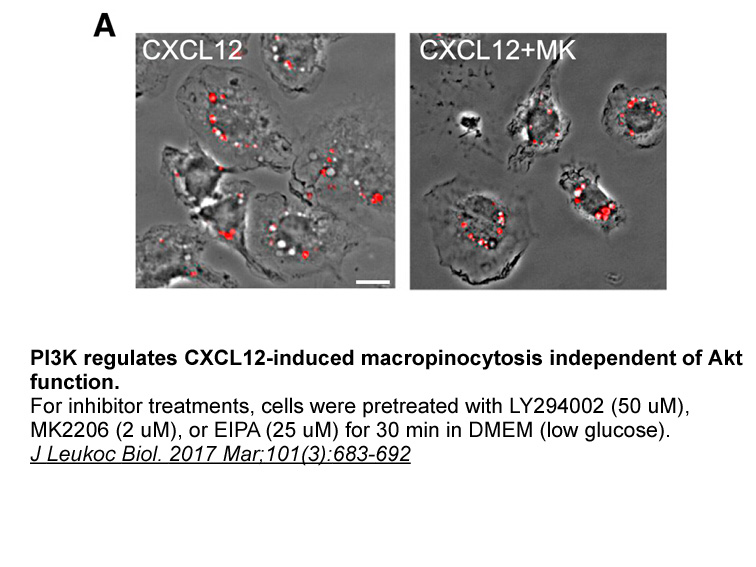
Although the reasons why viral RNA does not bind to and activate PKR in WNV-infected cells are not known, some of the known characteristics of flavivirus infections provide possible clues. The viral GSK2194069 protein forms dimers that associate with ER membranes and viral RNA (Lindenbach et al., 2
-
br Acknowledgements E B was
2021-05-12
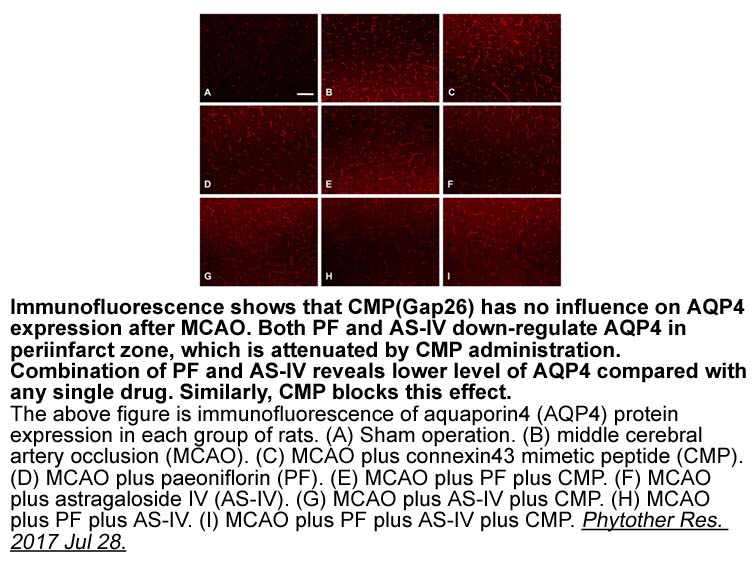
Acknowledgements E.B. was supported by grant 16-34-60213 mol_a_dk from the Russian Foundation for Basic Research (RFBR). R.S. and A.V. were supported by grant of the President of Russian FederationMK-4253.2018.4. The work was performed according to the Russian Government Program of Competitive Gr
-
br Author Contributions Statement br Conflicts of interest b
2021-05-12
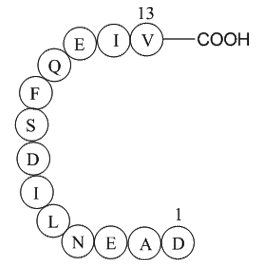
Author Contributions Statement Conflicts of interest Acknowledgments We thank T. Ishii, H. Inaba, and S. Nakamura (Department of Cell Biology, TMDU) for kindly gifting BACCS and technical assistance; S. Kaneko, Y. Ishida, and R. Usumi (Department of Orthodontic Science, TMDU) for experiment
-
K-Ras(G12C) inhibitor 12 synthesis For radiochemotherapy it
2021-05-12
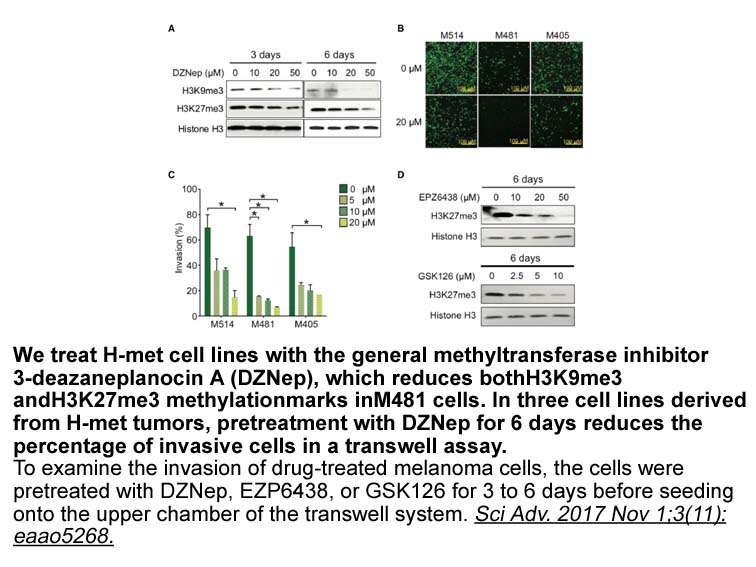
For radiochemotherapy, it is well known that mitotic cell death and apoptosis present the major cell death modes. More recently, autophagy-dependent cell death has been described to occur upon radiochemotherapy (Daido et al., 2005, Song et al., 2017). This form of regulated cell death depends on com
-
br Acknowledgements br Introduction Laryngeal cancers are th
2021-05-12
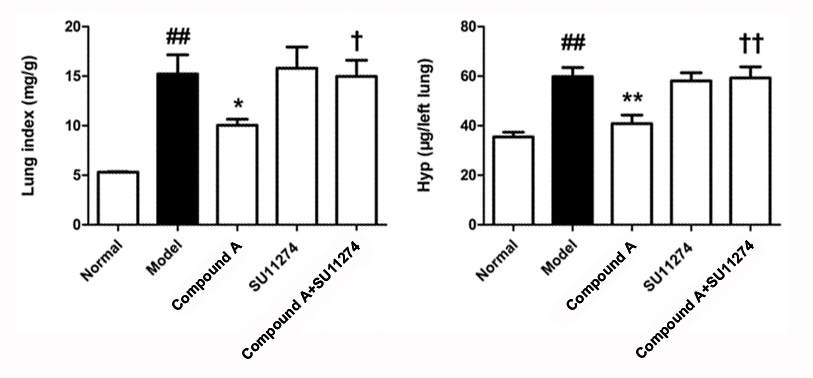
Acknowledgements Introduction Laryngeal cancers are the most frequent cancers of the head and neck region and their occurrence is strongly associated with the exposure to cigarette smoke and the consumption of strong alcohols. Almost all laryngeal cancers are squamous cell carcinomas. Usually
-
Compounds and administered orally to fasted Harlan
2021-05-12
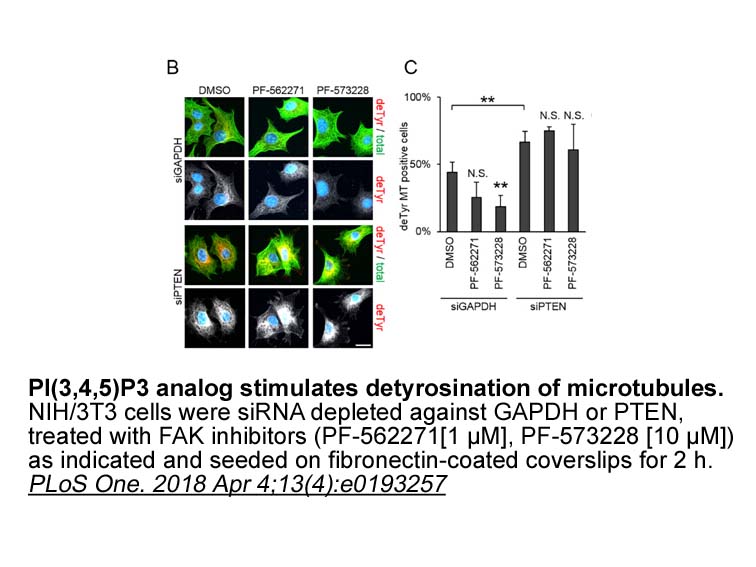
Compounds , , and administered orally to fasted Harlan Sprague-Dawley rats 1h prior to trigeminal stimulation, decreased extravasation in this model in a dose-related manner, with an estimated ID of 1, 10 and 100μg/kg, respectively (determined 15min after stimulation, ). For comparison, the clinica
-
In the course of our program which was aimed
2021-05-12
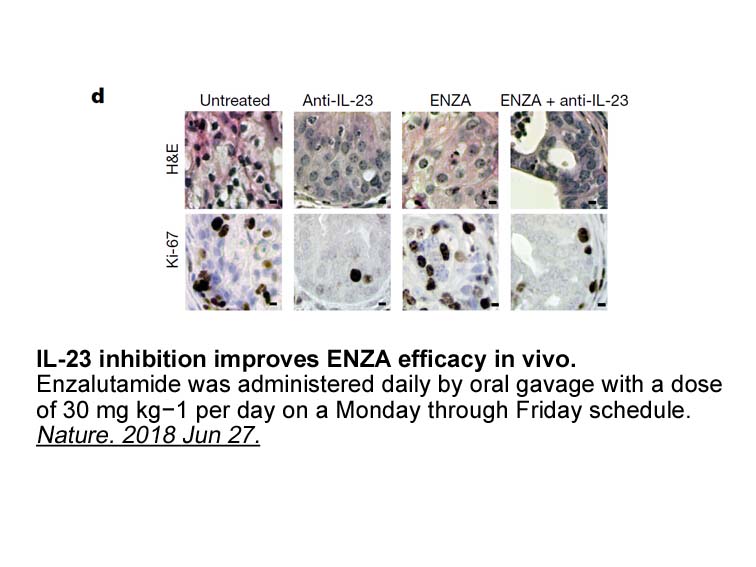
In the course of our program, which was aimed at developing CRTH2 antagonists for the treatment of allergic diseases, we have been pursuing a new class of potent and selective CRTH2 antagonist lead based on the structures of CRTH2 antagonists known to date (, , ). Using a fused 6–6-membered ring sys
16028 records 686/1069 page Previous Next First page 上5页 686687688689690 下5页 Last page