Archives
- 2026-10
- 2026-09
- 2026-08
- 2026-07
- 2026-06
- 2026-05
- 2026-04
- 2026-03
- 2026-02
- 2026-01
- 2025-12
- 2025-11
- 2025-10
- 2025-09
- 2025-03
- 2025-02
- 2025-01
- 2024-12
- 2024-11
- 2024-10
- 2024-09
- 2024-08
- 2024-07
- 2024-06
- 2024-05
- 2024-04
- 2024-03
- 2024-02
- 2024-01
- 2023-12
- 2023-11
- 2023-10
- 2023-09
- 2023-08
- 2023-07
- 2023-06
- 2023-05
- 2023-04
- 2023-03
- 2023-02
- 2023-01
- 2022-12
- 2022-11
- 2022-10
- 2022-09
- 2022-08
- 2022-07
- 2022-06
- 2022-05
- 2022-04
- 2022-03
- 2022-02
- 2022-01
-
WYE-132 sale A number of anti diabetic drugs are available
2022-06-05
A number of anti-diabetic drugs are available that inhibit α-glucosidase activity, including acarbose, voglibose and miglitol [6,7]. These inhibitors, however, also exhibit undesirable side effects, such as adverse gastrointestinal symptoms and liver toxicity [8,9]. For diabetics, it would therefore
-
Initially we carried out gap FRAP experiments using the
2022-06-05
Initially, we carried out gap-FRAP experiments using the two-photon configuration of the confocal microscope. A SR101-positive astrocyte was targeted and a 5 × 5 μm square area was exposed to a laser illumination (5 flashes of 5 s each during 25 s). This procedure resulted in a bleaching of this ast
-
br Results and discussion The synthesis of
2022-06-05
Results and discussion The synthesis of core aldehyde building block 2 commenced with known aldehyde 5. The Horner–Wadsworth-Emmons olefination of the latter (using commercially available 6) gave cinnamate ester 7. Facile hydrogenation of the double bond in 7 was achieved over Raney nickel withou
-
br Melanoma cell lines There is suggestive epidemiological e
2022-06-05
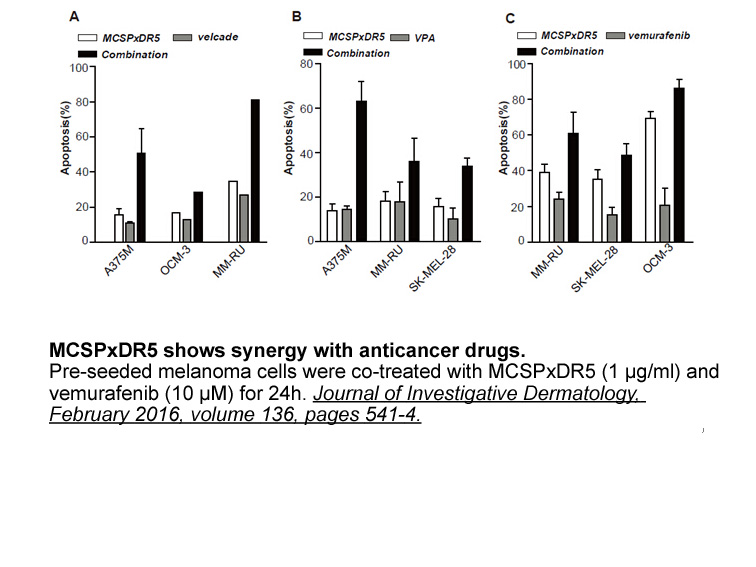
Melanoma cell lines There is suggestive epidemiological evidence that omega-3 PUFA can be preventative against melanoma, although the mechanisms of this relationship has not been extensively investigated [65], [66]. A 2014 study demonstrated that DHA inhibited cell proliferation in vitro in A2058
-
Sometime ago we have described diamino triazines
2022-06-02
Sometime ago we have described diamino-1,3,5-triazines as histamine H4R ligands,12, 13 and aryl derivatives of the 1,3,5-triazine, which attenuated inflammatory and nociceptive response in vivo in the rodent models of inflammation induced by C646 and zymosan. In this work we describe new derivative
-
The role of the cyclic AMP
2022-06-02
The role of the cyclic AMP regulated exchange factor Epac1 is emerging in cancer (Almahariq et al., 2015, Banerjee and Cheng, 2015, Parnell et al., 2015, Parnell et al., 2015, Schmidt et al., 2013). Interestingly, in cancer cell migration, activation of Epac1 can be linked to activation of Rac. As s
-
br Conclusion br Conflict of interest br References and
2022-06-02
Conclusion Conflict of interest References and recommended reading Papers of particular interest, published within the period of review, have been highlighted as: Acknowledgements Introduction Free fatty acids (FFAs) are essential nutrients that contribute to various cellular functio
-
In this review we aim to provide a comprehensive understandi
2022-06-02
In this review, we aim to provide a comprehensive understanding of: 1) how AT-resident CD4+ T cell subpopulations regulate the metabolic status of AT; and 2) how adipocytes as antigen presenting cells to modulate the activities of CD4+ T cell subpopulations in AT. Under condition with obesity, ad
-
Dendritic damage and loss of synaptic connections correlate
2022-06-02
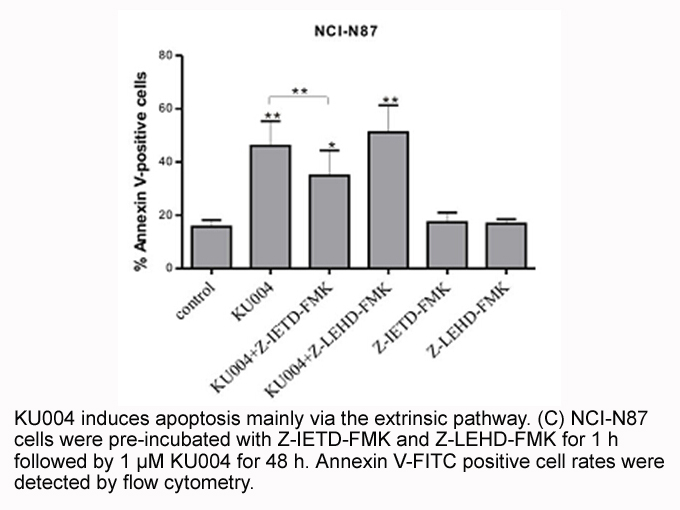
Dendritic damage and loss of synaptic connections correlate with cognitive decline in HAND patients. Synapse loss induced by HIV proteins occurs early and via a different signaling pathway from that leading to neuronal death (Kim et al., 2008), suggesting that synapse loss might be a mechanism to re
-
Glycogen synthase kinase GSK is currently
2022-06-02
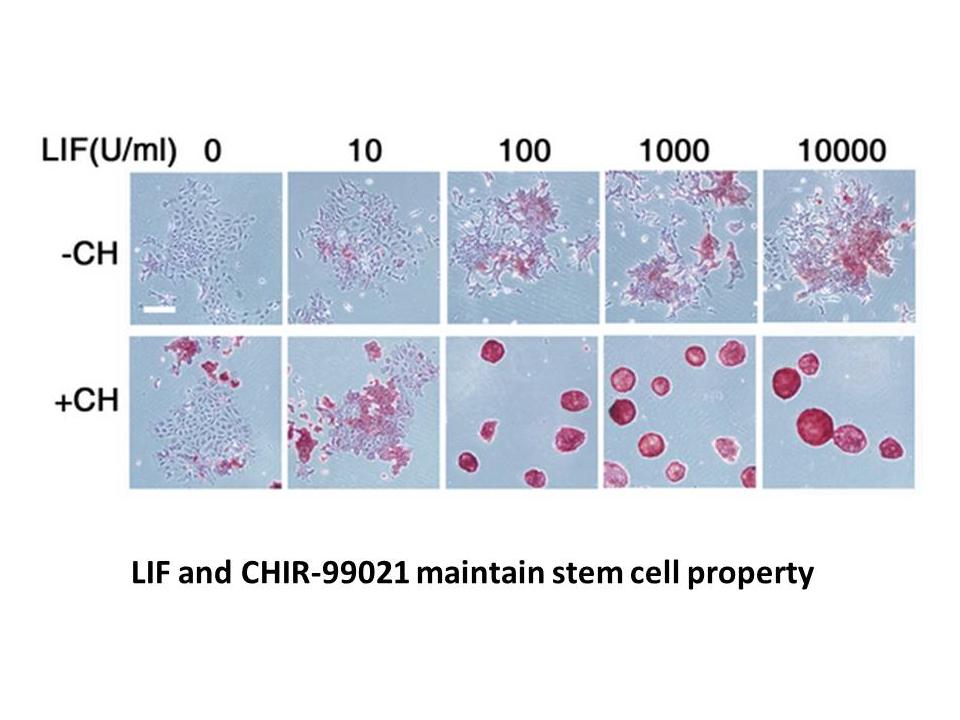
Glycogen synthase kinase 3 (GSK3) is currently considered to be a multifunctional serine/threonine kinase involved in a wide spectrum of cellular processes such as glycogen metabolism, cell proliferation, neuronal function, oncogenesis or embryonic development (for recent reviews see: Rayasam et al.
-
br Acknowledgments This research was supported
2022-06-01
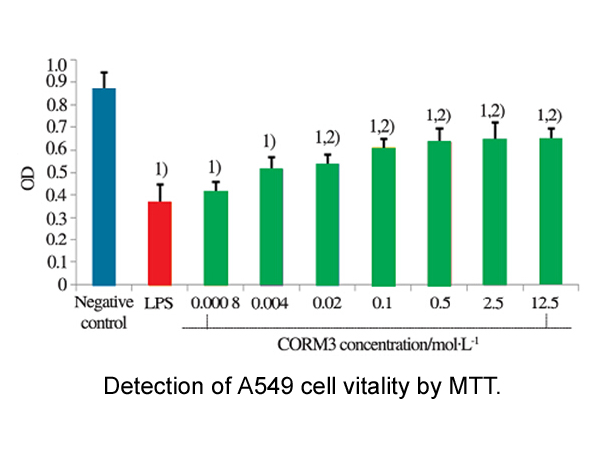
Acknowledgments This research was supported by a grant from the Korea Health Technology R&D Project through the Korean Health Industry Development Institute (KHIDI), funded by the Ministry of Health & Welfare, Republic of Korea (grant number: HI17C0616). Dr. Jun-Mo Yang was supported by the Natio
-
To support maximal growth and metabolic function of major
2022-06-01
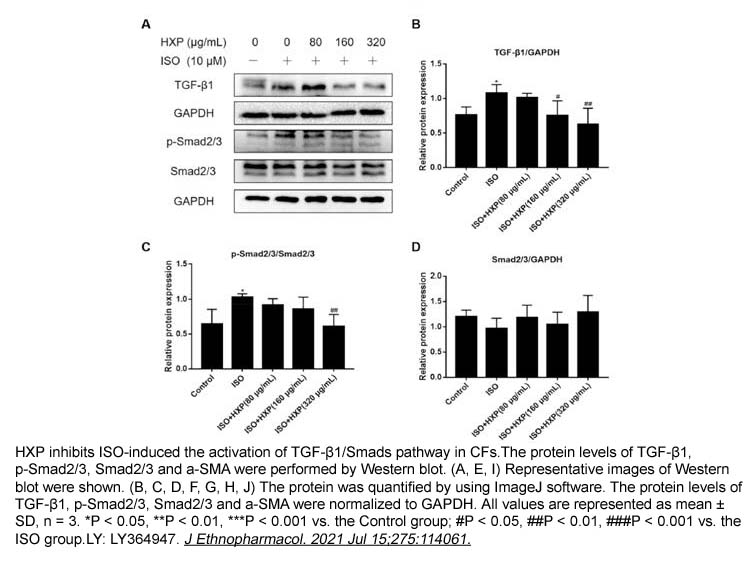
To support maximal growth and metabolic function of major organs, glucose and 3 bromopyruvate are essential. We assessed the plasma levels of glucose and amino acids in LBW and NBW piglets at birth and at day 7 postpartum. Blood glucose levels were influenced by birthweight and age. In this study, t
-
AKR D is very highly expressed in human
2022-06-01
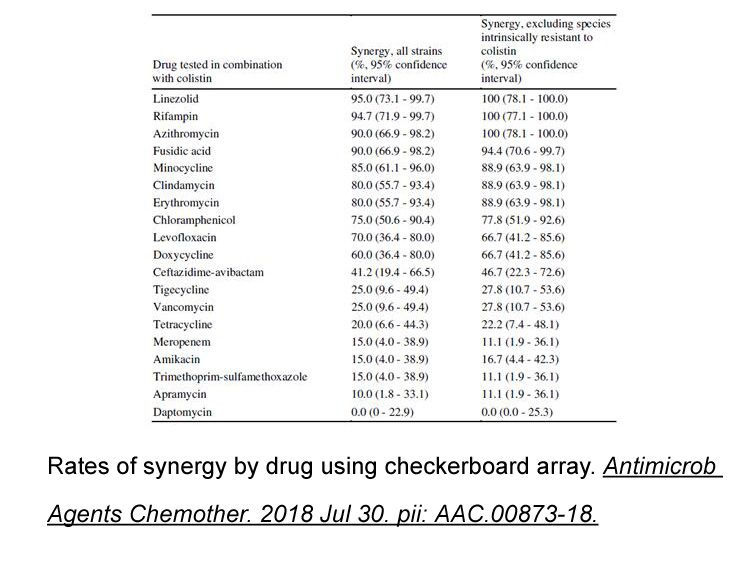
AKR1D1 is very highly expressed in human liver and based upon the observations outlined above, with respect to other steroid hormone pre-receptor metabolising enzymes, it is entirely plausible that AKR1D1 could represent a critical regulatory step in the control of metabolic phenotype within the liv
-
In the last years a
2022-06-01
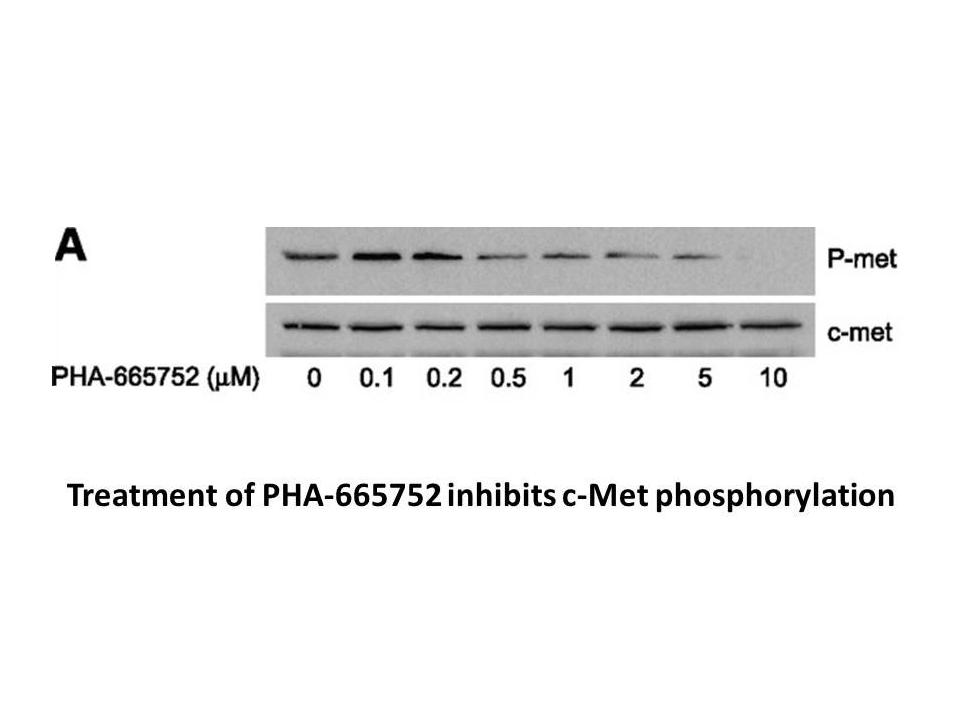
In the last years, a plethora of studies overstepped the classic concept of the ENS as purely modulator of GI secretion and motility, focusing on its potential as source of substances acting on immune cells and consequently involved in the control of local inflammatory events, as in the Inflammatory
-
br Regulation of HO expression under
2022-05-31
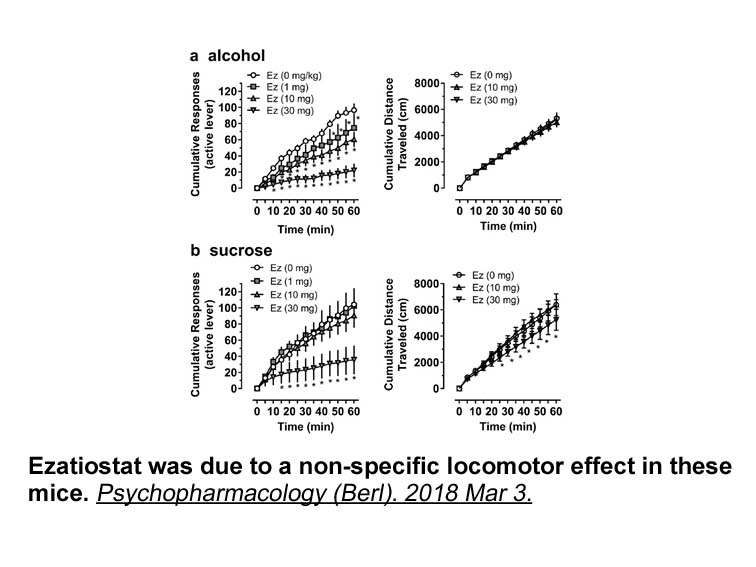
Regulation of HO-1 expression under conditions of ischemic cardiac damage Heart is a vital organ with high metabolic demand, rich in mitochondria and it is very vulnerable to oxidative damage [85]. Disruption in coronary blood flow following MI leads to hypoxia (a reduction in the amount of avail
8335 records 473/556 page Previous Next First page 上5页 471472473474475 下5页 Last page