Archives
- 2026-10
- 2026-09
- 2026-08
- 2026-07
- 2026-06
- 2026-05
- 2026-04
- 2026-03
- 2026-02
- 2026-01
- 2025-12
- 2025-11
- 2025-10
- 2025-09
- 2025-03
- 2025-02
- 2025-01
- 2024-12
- 2024-11
- 2024-10
- 2024-09
- 2024-08
- 2024-07
- 2024-06
- 2024-05
- 2024-04
- 2024-03
- 2024-02
- 2024-01
- 2023-12
- 2023-11
- 2023-10
- 2023-09
- 2023-08
- 2023-07
- 2023-06
- 2023-05
- 2023-04
- 2023-03
- 2023-02
- 2023-01
- 2022-12
- 2022-11
- 2022-10
- 2022-09
- 2022-08
- 2022-07
- 2022-06
- 2022-05
- 2022-04
- 2022-03
- 2022-02
- 2022-01
-
It is important http www apexbt com media
2023-03-15
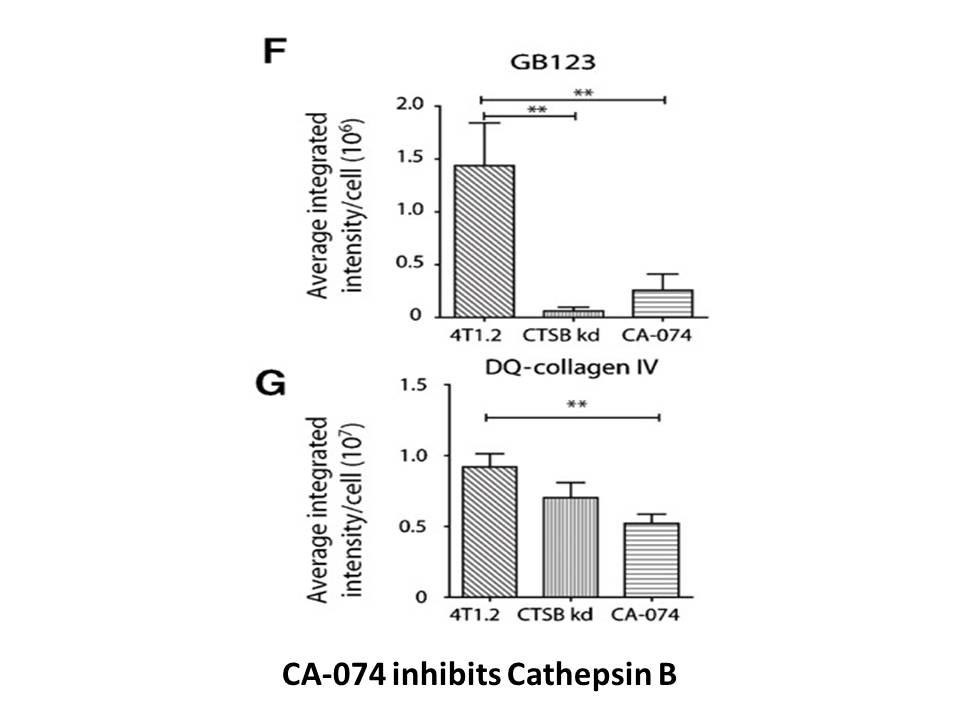
It is important to note that the administration of THA significantly increased the area immunostained by the anti-pVEGFR2 antibody in medial septal cholinergic neurons. The same treatment slightly increased the expression levels of VEGFR2 in cholinergic neurons; however, this change was not confirme
-
Finally not only can ERs pair with different mGluRs
2023-03-13
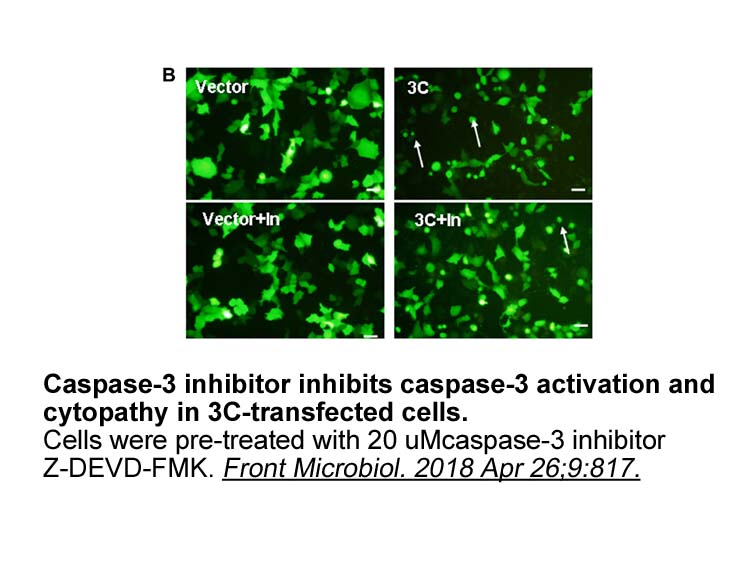
Finally, not only can ERs pair with different mGluRs in different Isorhamnetin mg regions, but it is becoming increasingly clear that the same mGluRs can pair with distinct downstream signaling partners to have differential effects both within and across brain regions (Gross et al., 2016; Mannaioni
-
The R pycnus arginase was identical to the published B
2023-03-13
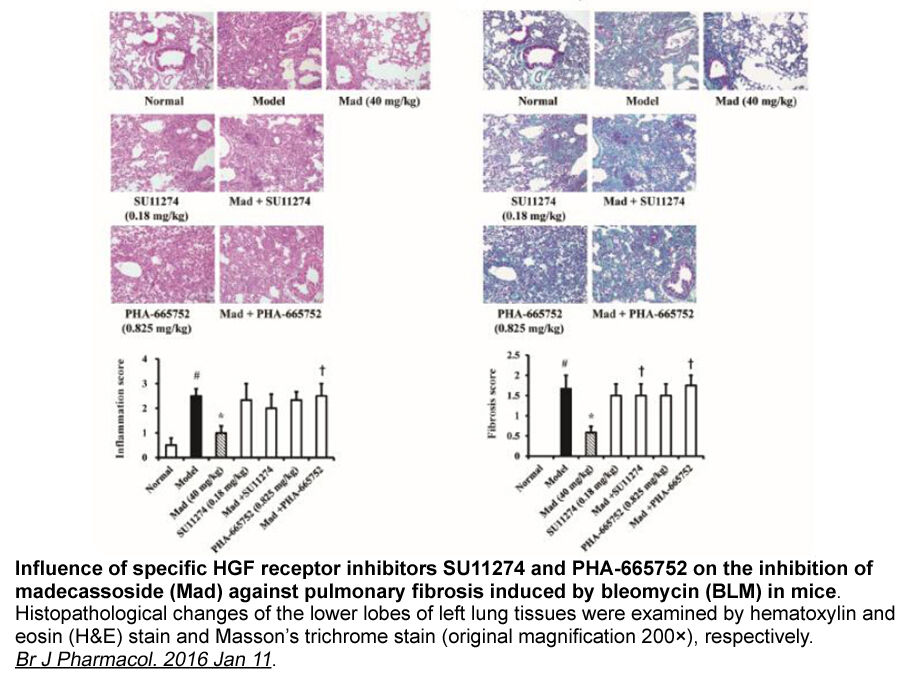
The R. pycnus arginase was 65% identical to the published B. caldovelox arginase sequence (AAB06939). Furthermore, the R. pycnus arginase gene was 62%, 45%, 36% and 22% identical to the published arginase sequences from Bacillus thuringiensis (AJI37018), Thermus thermophiles (WP_038039155), Human ar
-
LDN193189 br Results br Discussion AP a heterodimeric transc
2023-03-13
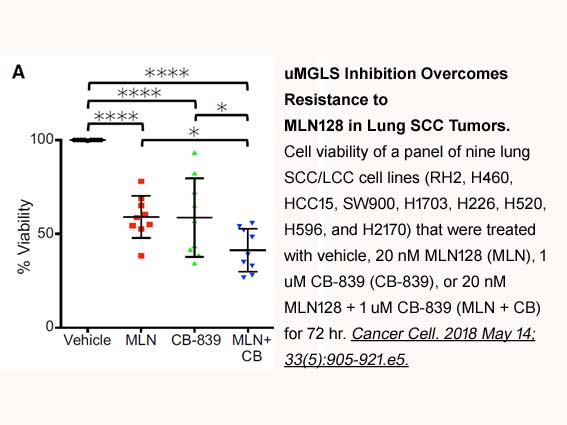
Results Discussion AP-1, a heterodimeric transcription factor comprising various combinations of FOS, JUN, MAF, ATF, and CREB family proteins, has been known to play a pivotal role in leukocyte development for decades (Liebermann et al., 1998; Valledor et al., 1998). However, its participation
-
bace inhibitor Cellular detoxification is an important
2023-03-11
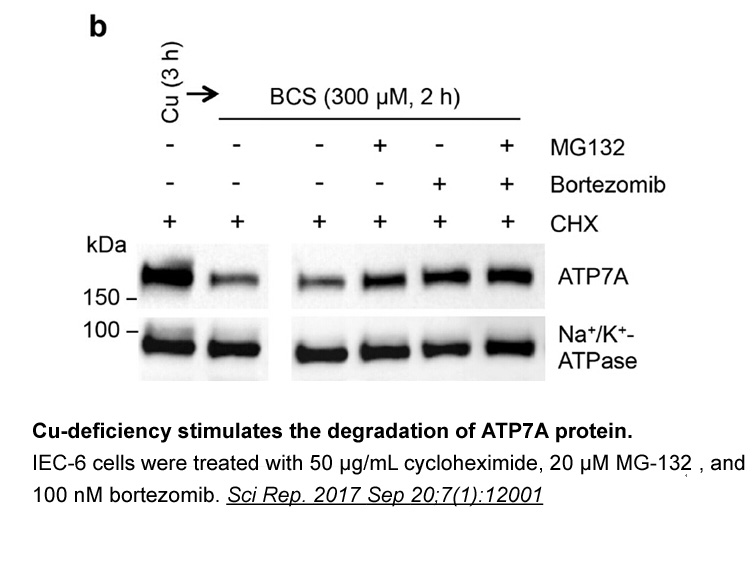
Cellular detoxification is an important process that helps remove excess oxidants from the cellular environment through endogenous antioxidants or other molecules capable of reduction. One of the key regulators of antioxidant production is the transcription factor, nuclear factor (erythroid-derived
-
A phase I trial has recently evaluated enzalutamide an anti
2023-03-11
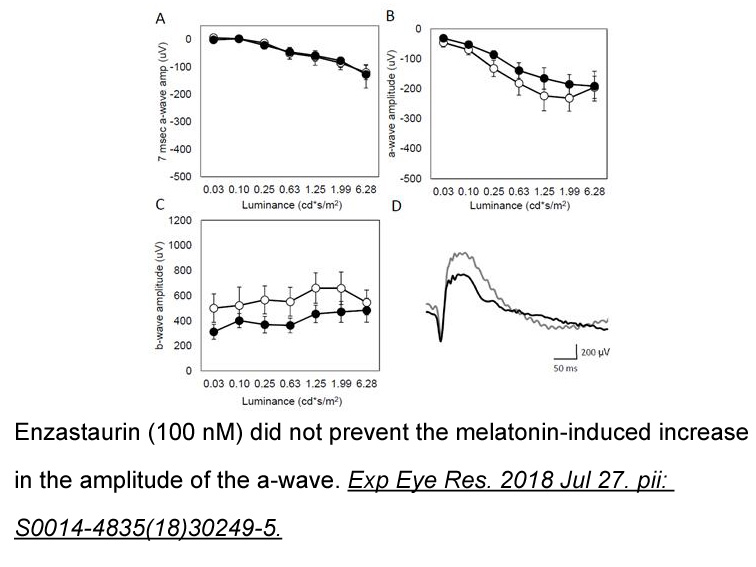
A phase I trial has recently evaluated enzalutamide, an anti-androgen agent, in patients with ER- and AR-positive advanced BC to estimate safety and tolerability of enzalutamide therapy alone or in association to anastrozole, exemestane or fulvestrant [65]. The results of major clinical trials with
-
Recent studies revealed that certain plant derived compounds
2023-03-11
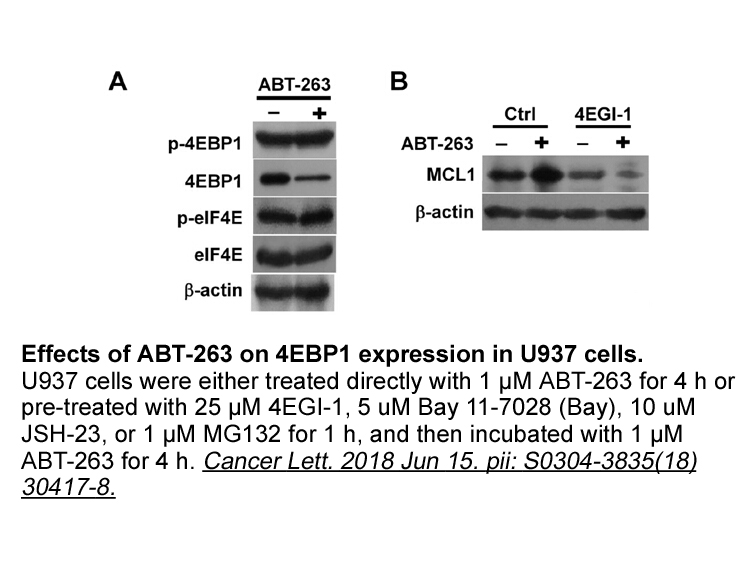
Recent studies revealed that certain plant-derived compounds can also interfere with AR function. One way of such an interference is by modulating its expression levels. This is the case for the two flavonoids quercetin and luteolin that have been reported to repress the function of AR by inhibiting
-
br Introduction Nonalcoholic fatty liver disease NAFLD is
2023-03-11
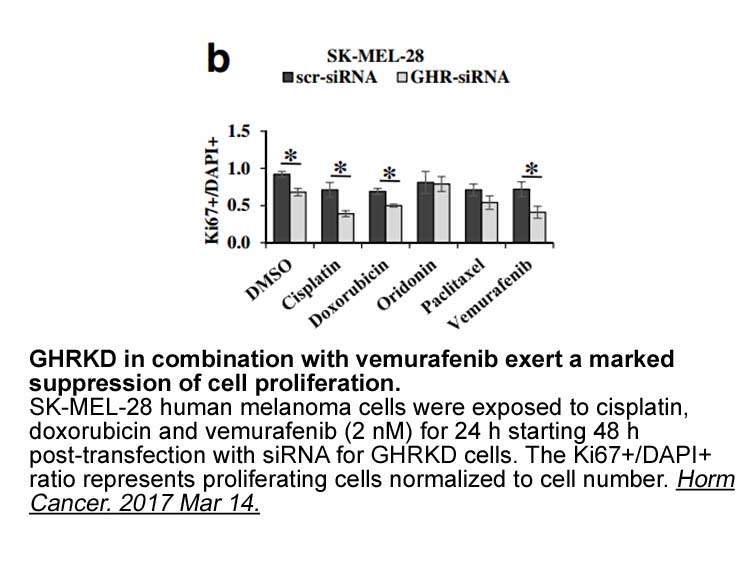
Introduction Nonalcoholic fatty liver disease (NAFLD) is a clinicopathologic spectrum of liver pathologies associated with excessive accumulation of fat in the liver. This spectrum is continuous but can be graded based on pathological features; in increasing severity, these are: bland steatosis,
-
Introduction Lipoxygenases LOXs are key
2023-03-11
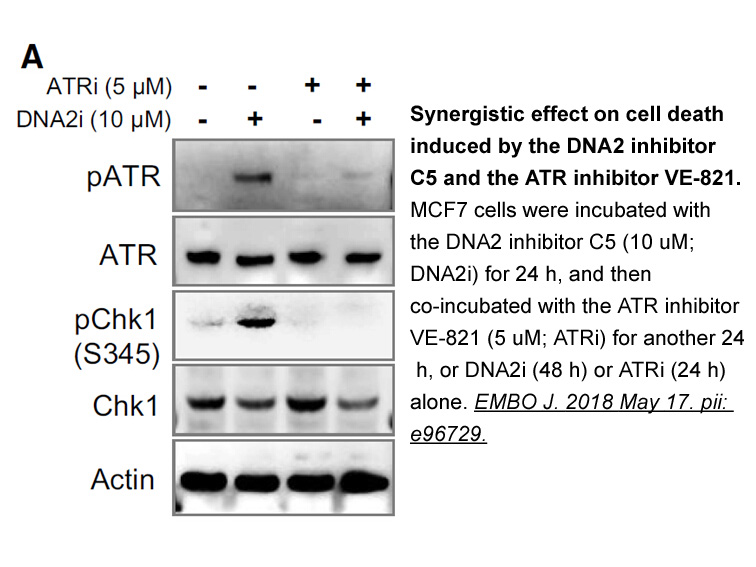
Introduction Lipoxygenases (LOXs) are key enzymes that catalyze the polyunsaturated fatty acids (PUFAs) such as arachidic SJB3-019A (AA), linoleic acid (LA) and others unsaturated fatty acids (Brash, 1999). LOXs are expressed in immune, neural, epithelial, tumor cells and other cells (Claesson, 200
-
5'-Iodoresiniferatoxin Implicit in this concept is the i
2023-03-11
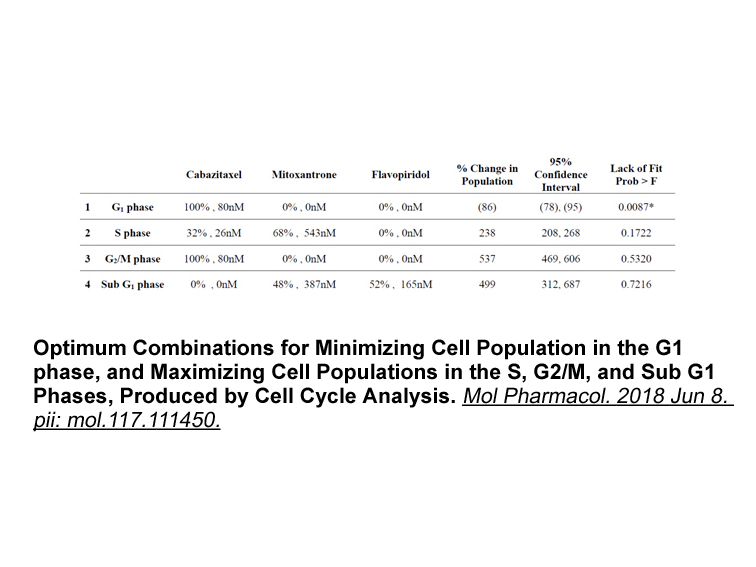
Implicit in this concept is the idea that the β-adrenoceptors in the detrusor would be activated by adrenergic nerves of the sympathetic system: sympathetic activity promoting relaxation and enhancing bladder capacity. However, it has been demonstrated that there is only a sparse adrenergic innervat
-
br Methods br Results br
2023-03-11
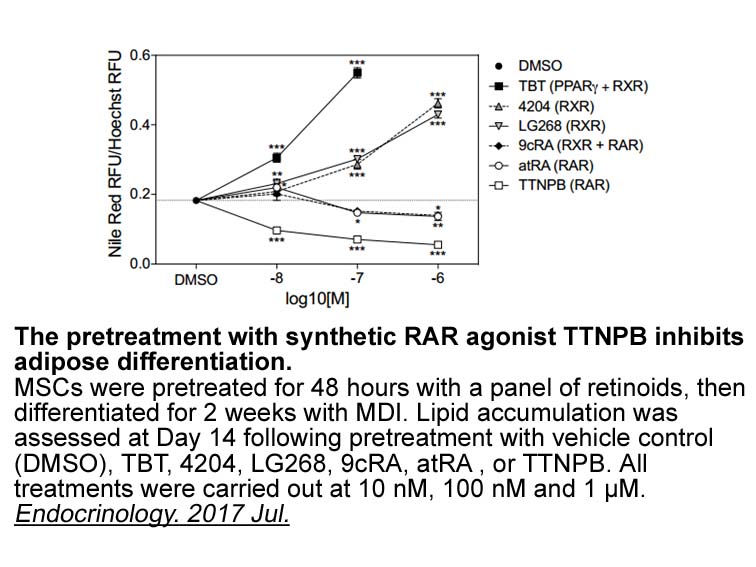
Methods Results Discussion Chronic stress renders individuals vulnerable to diseases, and this effect might be, at least partially, mediated by stress hormone-induced immunosuppression. Therefore, investigating the effects of catecholamines on immune SKF 81297 hydrobromide is of high releva
-
We now present a series of findings obtained in
2023-03-11
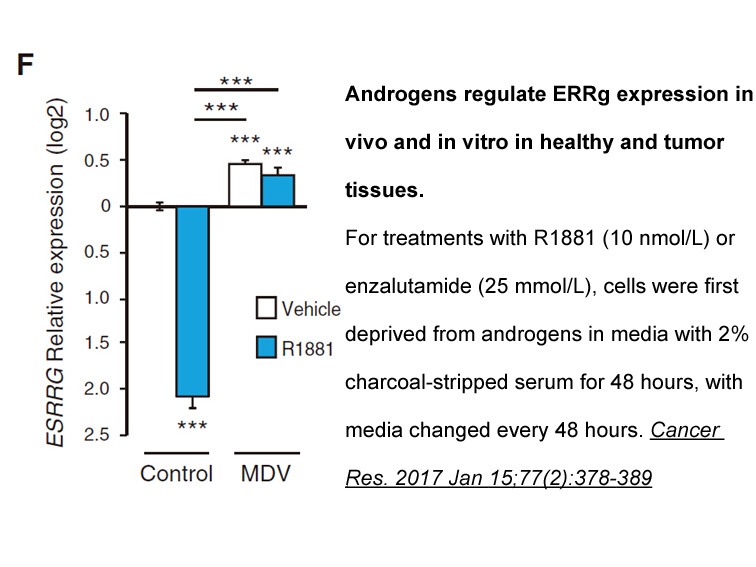
We now present a series of findings obtained in heterologous expression systems, brain slices, and living animals that suggest that any interaction between mGlu7 and α1-adrenergic receptors exists, is specific, and is physiologically and behaviourally relevant. Materials and methods Norepinephri
-
AdipoRon is an orally active synthetic small molecule
2023-03-11
AdipoRon is an orally active, synthetic small molecule that activates adiponectin receptor (AdipoR). It mimics the antidiabetic effects of adiponectin, exhibiting its effect through the activation of AMPK and PPARα pathways via AdipoR1 and AdipoR2, respectively (Fig. 2) [62]. AdipoR activation has
-
In the U S surveillance of ACEs has
2023-03-11
In the U.S., surveillance of ACEs has garnered traction at the state level through administration of the ACE Optional Module in CDC’s Behavioral Risk Factor Surveillance System (BRFSS) (Centers for Disease Control & Prevention, 2003). Since 2009, select states have implemented the ACEs optional modu
-
The GRAVY value for a protein is
2023-03-11
The GRAVY value for a protein is calculated as the sum of hydropathy values of all the amino acids, divided by the number of residues in the sequence (Kyte and Doolittle, 1982). According to Kyte and Doolittle (1982) integral membrane proteins typically have higher GRAVY scores than do globular prot
8335 records 377/556 page Previous Next First page 上5页 376377378379380 下5页 Last page